
Should I Do a Gut or Colon Cleanse for Bloating or Constipation?
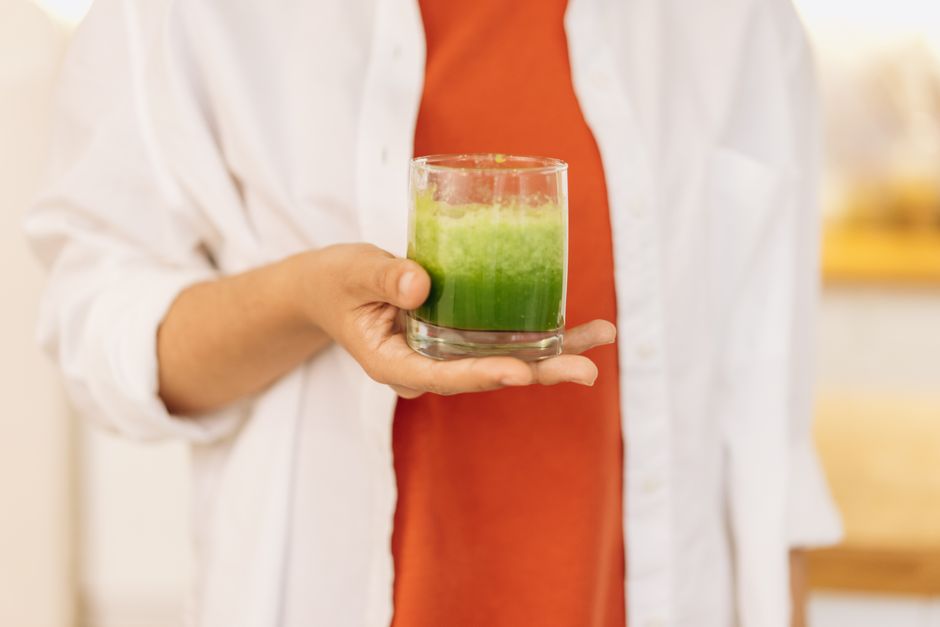
A gut or colon cleanse is not an evidence-based way to remove toxins or reset digestion, and laxative teas, fasting cleanses, and colonic irrigation can create real risks. For bloating or constipation, the safer starting point is to identify the pattern, add fiber gradually with enough liquids, and seek medical evaluation promptly when warning signs are present.
Do gut cleanses actually remove toxins?
No. The body does not need a commercial cleanse to remove toxins from ordinary eating or daily activity. Mayo Clinic explains that the digestive system already removes waste material and bacteria, and that there is no evidence the body holds onto toxins in the way cleanse marketing suggests.
This is the first distinction to make: a wellness cleanse is a product or routine sold as a reset; a medical bowel preparation is used before certain procedures so clinicians can see inside the intestine; and an enema uses a small amount of liquid held briefly in the colon. Mayo Clinic describes colonic irrigation differently again: it uses a tube and a large amount of liquid. Similar-sounding labels do not mean similar purposes.
The evidence gap is not subtle. The National Center for Complementary and Integrative Health reports that only a small number of human studies have examined detoxification programs, and positive findings came from low-quality research with problems such as small samples or missing peer review. Its cited review from 2015 found no compelling research that detox diets eliminate toxins or help with weight management.
Use a simple claim check before spending money: if a product says it removes unnamed buildup, ask what the buildup is, how it is measured, and what evidence shows removal improves health. When those answers are missing, the claim creates cognitive load without delivering useful information.
Can a colon cleanse help with bloating or constipation?
A colon cleanse is not a reliable treatment for bloating or constipation because it may empty the bowel temporarily without addressing why symptoms developed. Constipation can be one contributor to bloating, but MedlinePlus also lists reflux, irritable bowel syndrome, lactose intolerance, overeating, small intestinal bacterial overgrowth, and visceral hypersensitivity among possible causes.
That changes the practical question. Replace “How do I flush this out?” with “What pattern needs attention?” NIDDK describes constipation as including fewer than three bowel movements a week, hard or lumpy stools, difficult or painful passage, or a feeling that not all stool has passed. A sudden purge does not distinguish among these patterns.
For ordinary constipation without warning signs, the evidence-backed baseline is less dramatic and more useful. The National Institute of Diabetes and Digestive and Kidney Diseases recommends adding fiber gradually and drinking liquids so the fiber can make stools softer and easier to pass. Its food examples include whole grains, legumes, fruits, vegetables, and nuts.
Go gradual, not maximal. MedlinePlus notes that insoluble fiber such as bran can increase bloating and gas, while soluble fiber supplements such as psyllium are usually better tolerated. That does not make fiber a universal answer; it makes the pace and type of change part of the decision.
| Situation | More useful next move | Why |
|---|---|---|
| Constipation with no warning signs | Consider gradual food-based fiber changes and adequate liquids | NIDDK says liquids help fiber work and advises gradual increases. |
| Bloating that worsens after a fiber change | Review the fiber type and pace of the increase | MedlinePlus notes that bran can increase gas and bloating. |
| Persistent or unexplained symptoms | Discuss the pattern with a clinician | Bloating and constipation have multiple possible causes. |
| Red-flag symptoms | Seek prompt medical evaluation rather than cleansing | NIDDK and MedlinePlus identify symptoms that need assessment. |
Ingredient-heavy wellness products deserve the same scrutiny as other supplements. For a related look at why product labels and health context matter, read Can Vitamins, Herbs, and Greens Powders Interfere With Chemotherapy?.
Are detox teas and laxative cleanses safe?
Detox teas and laxative cleanses are not automatically safe simply because they are marketed as natural. NCCIH reports that laxative-based detox programs can cause diarrhea, and acute diarrhea can cause dehydration and malabsorption. It also warns that drinking large amounts of water or herbal tea while not eating for days can cause dangerous electrolyte imbalances.
Colonic irrigation carries a different set of concerns, not a cleaner safety profile. Mayo Clinic lists dehydration, infection, digestive-tract bleeding, rectal perforation, and dangerous electrolyte changes as possible complications. It specifically notes greater concern for people with kidney or heart disease.
The practical replacement behavior is clear: do not treat a dramatic bowel movement as proof that a product fixed a health problem. It can reflect the product's laxative effect. A useful record for a clinician includes the symptom pattern, bowel changes, food changes, and any products used; that is more actionable than a cleanse label.
Frequently Asked Questions
What is a safe way to reset gut health?
There is no evidence-based need to purge the digestive tract to reset it. NIDDK guidance supports gradually adding fiber from foods such as whole grains, legumes, fruits, vegetables, and nuts, while drinking liquids to help fiber work. The useful first step is to identify whether constipation, a food trigger, reflux, or another pattern is driving the symptoms.
Can a gut cleanse cause dehydration or electrolyte problems?
Yes. NCCIH reports that laxative-based detox programs can cause diarrhea, and acute diarrhea can lead to dehydration and malabsorption. NCCIH also warns that consuming large amounts of water or herbal tea while not eating for days can cause dangerous electrolyte imbalances; Mayo Clinic lists electrolyte changes among possible colon-cleansing complications.
When do bloating or bowel changes need medical evaluation?
NIDDK advises prompt evaluation for constipation with rectal bleeding, blood in stool, constant abdominal pain, inability to pass gas, vomiting, fever, lower-back pain, or unintentional weight loss. MedlinePlus also advises contacting a clinician for bloating with abdominal pain, blood or dark tarry stools, diarrhea, worsening heartburn, vomiting, or weight loss. Symptoms that do not improve with self-care also warrant medical attention.
This week's drill: skip the cleanse claim and write down the actual symptom pattern, any recent food or product changes, and whether a warning sign is present. That short record turns a vague “reset” goal into a safer next conversation.
Sources
- National Center for Complementary and Integrative Health: Detoxes and Cleanses
- Mayo Clinic: Colon cleansing
- National Institute of Diabetes and Digestive and Kidney Diseases: Eating, Diet, and Nutrition for Constipation
- National Institute of Diabetes and Digestive and Kidney Diseases: Symptoms and Causes of Constipation
- MedlinePlus Medical Encyclopedia: Gas and bloating
Disclaimer: This article is for general information only and is not medical advice. It is not a substitute for diagnosis or treatment by a qualified healthcare professional. Always speak to your doctor before acting on anything you read here.