
Should I Buy or Build a First-Aid Kit for My Family?
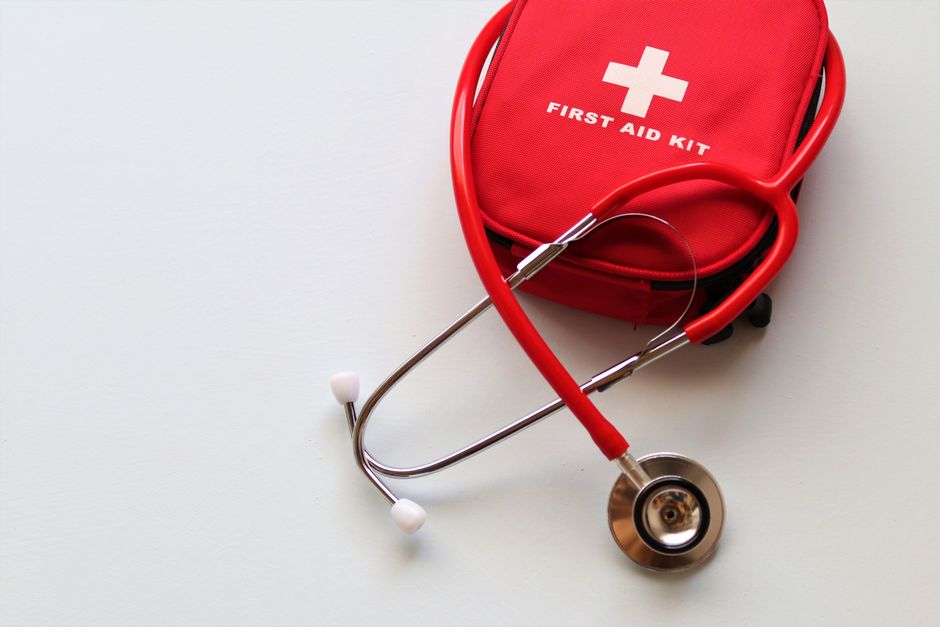
Either a prebuilt or DIY first-aid kit can work when it starts with the American Red Cross family checklist and then adds household-specific medications, emergency contacts, and provider-recommended items. Buy a kit when it gives you a fast, visible baseline; build one when the people in your home need targeted supplies. The better choice is the one you can store safely, inspect, and use without hunting for essentials.
What medical supplies should I keep at home?
Keep one known, accessible collection of wound-care supplies, basic tools, written instructions, and household-specific emergency information. The goal is not to create a miniature clinic. The goal is to avoid the slow, frustrating search for a bandage, thermometer, or contact number when attention belongs on the situation.
MedlinePlus lists assorted adhesive bandages, sterile gauze pads, non-stick gauze, adhesive tape, triangular bandages, elastic bandages, and latex or nonlatex gloves among home-kit wound-care essentials. Its practical equipment list includes an instant ice bag, hand sanitizer, thermometer, tweezers, a first-aid manual, and a medicine syringe, cup, or spoon for measured doses.
Use the Two-Zone Setup: put general first-aid equipment in one clearly marked kit, then keep personal medicines and condition-specific materials in their original containers nearby but separate. This reduces cognitive load. A visitor can find a sterile pad without sorting through prescriptions, while the person responsible for medications can retain labels and instructions.
| Zone | What belongs there | Why it belongs there |
|---|---|---|
| Core wound care | Bandages, gauze, tape, gloves, antiseptic supplies, tweezers | These are common baseline items identified by MedlinePlus and the American Red Cross. |
| Tools and directions | Thermometer, cold compress, first-aid instructions, emergency contacts | These items make the kit easier to use under pressure. |
| Personal health items | Family-specific medications and provider-recommended supplies | The Red Cross says both bought and DIY kits need customization for the family. |
Storage is part of the checklist, not an afterthought. According to MedlinePlus, heat, air, light, and moisture can damage medicines; bathroom heat and moisture can make medicine less potent or cause it to go bad before its expiration date. Keep medicines in original containers, out of sight and reach of children, preferably in a cabinet with a child latch or lock.
What should a first-aid kit include for a family of four?
For a family of four, begin with the American Red Cross checklist rather than guessing at quantity. The American Red Cross specifies two absorbent 5-by-9-inch compress dressings, 25 assorted adhesive bandages, five antibiotic-ointment packets, five antiseptic-wipe packets, and two pairs of large nonlatex gloves.
The same Red Cross checklist adds five sterile 3-by-3-inch gauze pads, five sterile 4-by-4-inch gauze pads, one 3-inch roller bandage, one 4-inch roller bandage, an instant cold compress, an emergency blanket, a breathing barrier, an oral thermometer, tweezers, and first-aid instructions. That is a baseline inventory, not a claim that every household has identical needs.
Run the coverage check: put the checklist beside the open kit and mark each item as present, used, expired, or missing. Then add the household layer: emergency phone numbers, family-specific medications, and items recommended by a health-care provider. The Red Cross puts the principle plainly: “Whether you buy a first aid kit or put one together, make sure it has all the items you may need.”
For households that include animals, keep the boundary clear. A human household kit is not a substitute for veterinary care or a pet-specific plan. If cost or access is the immediate concern, this site’s guide on where to find free or low-cost veterinary care is a more relevant starting point than repurposing human supplies.
Is it better to buy or build a first-aid kit?
Buying is better when speed and a ready-made baseline matter most; building is better when your household has needs a generic kit will not cover. Neither option wins by itself. The Red Cross explicitly supports either route, provided the kit contains needed items and family-specific additions.
Prebuilt kit: use this route when an empty shelf is the problem. It can put common supplies in one location quickly, but it still needs an inventory check against the Red Cross checklist and a household customization pass.
DIY kit: use this route when you need control over the container, layout, and family-specific contents. It demands more setup, but it makes the Two-Zone Setup easier: standard first-aid supplies in one section, personal items maintained according to their labels and care guidance.
Weak approach: “The kit is sealed, so it is handled.” Stronger approach: “The kit has a baseline list, a current inventory, and a named place.” MedlinePlus says to keep supplies in one location so they are known when needed, and both MedlinePlus and the Red Cross advise regular checks and replacement of low, used, or expired contents.
More gear is not always the next move. A breathing barrier and first-aid instructions appear on the Red Cross list; a first-aid manual appears on the MedlinePlus list. That points to the practical limit of shopping: equipment needs clear instructions and a person who can locate them. Before adding another item, check whether the existing kit is complete, legible, safely stored, and familiar to the people who may need it.
Frequently Asked Questions
What medications should be kept in a home first-aid kit?
The American Red Cross says a purchased or DIY kit should include family-specific medications and items recommended by a health-care provider. Keep medicines in their original containers and store them in a cool, dry place away from heat, moisture, air, light, and the reach of children, as MedlinePlus advises. This guide does not set medication choices or doses because those depend on the household and clinical guidance.
How often should I check or replace first-aid supplies?
The American Red Cross and MedlinePlus both say to check a kit regularly and replace used, low, or expired items. A useful household routine is to inspect the kit whenever it has been opened and to make a recurring calendar reminder; the sources do not prescribe one universal inspection interval. Remove medicines past their expiration dates or medicines with changes in color, texture, or smell, as MedlinePlus advises.
How should I customize a first-aid kit for allergies, diabetes or children?
Start with the common wound-care baseline, then add the medications, emergency contacts, and provider-recommended items that match the people who may use the kit. For a child with a life-threatening allergy, the American Academy of Pediatrics recommends a written allergy and anaphylaxis emergency plan customized to the child, family, and applicable local regulations. Keep children’s access in mind: MedlinePlus advises storing medicines out of sight and reach, ideally in a cabinet with a child latch or lock.
This week’s drill: choose the kit location, open it with another adult in the household, and identify one missing item, one item that needs replacement, and one emergency contact that should be written down. That is a usable first-aid system, not just a box of supplies.
Sources
- American Red Cross: Anatomy of a First Aid Kit
- MedlinePlus Medical Encyclopedia: First Aid Kit
- MedlinePlus Medical Encyclopedia: Medicine Storage
- American Academy of Pediatrics: Create an Allergy and Anaphylaxis Emergency Plan
Disclaimer: This article is for general information only and is not medical advice. It is not a substitute for diagnosis or treatment by a qualified healthcare professional. Always speak to your doctor before acting on anything you read here.