
What Can I Drink for Morning Energy If I Cannot Tolerate Coffee?
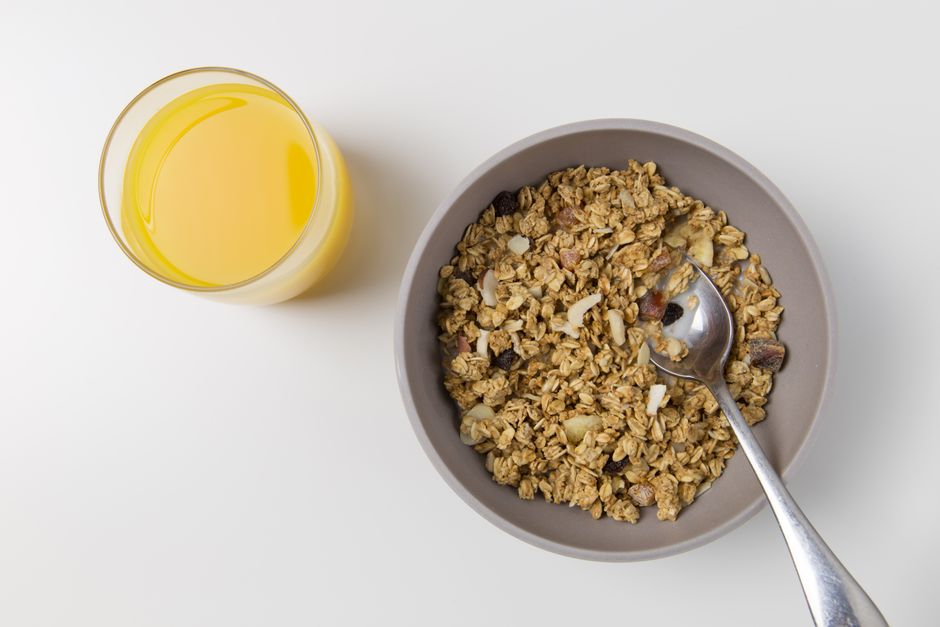
For steady morning energy without coffee or conventional energy drinks, start with water and breakfast, then consider a modest serving of green tea, matcha, or yerba mate only if caffeine agrees with you. The right choice is the one that does not trade alertness for heartburn, anxiety, palpitations, or poor sleep. Check the caffeine total, added sugar, and stimulant ingredients before treating any drink as a routine.
What can I drink for energy in the morning if coffee hurts my stomach?
If coffee hurts your stomach, water plus food is the cleanest first move; green tea or matcha can be a cautious second move if tea is easier for you to tolerate. This is not a willpower problem. MedlinePlus explains that caffeine increases stomach acid and can lead to upset stomach or heartburn, which makes another strong caffeinated drink a poor fix when reflux is already on the table.
Use the foundation-first test: have water, then pair breakfast with protein and fiber, then decide whether you still want caffeine. The National Institutes of Health Office of Dietary Supplements says a nutritionally adequate diet and sufficient hydration are critical foundations for physical performance. A stimulant can change how alert you feel; it cannot replace fuel or fluids.
For a practical morning choice, make the trade-off visible before you drink it.
| Option | Caffeine picture | What to watch | Best use case |
|---|---|---|---|
| Water with breakfast | No caffeine | It will not create a stimulant effect | When dehydration, skipped food, or poor meal timing may be driving fatigue |
| Green tea | The FDA's 2018 consumer update lists green tea at 37 milligrams per 12 fluid ounces | Caffeine can still worsen heartburn, anxiety, or insomnia | When a lower-caffeine tea option is tolerated |
| Matcha | Contains tea-derived caffeine; the amount varies by preparation | Do not assume “natural” means caffeine-free or stomach-neutral | When you want tea flavor and can tolerate caffeine |
| Yerba mate | The NIH Office of Dietary Supplements' 2025 fact sheet lists yerba mate as a natural caffeine source | Count it with every other caffeine source that day | When its flavor suits you and total caffeine remains appropriate |
| Energy drink | The FDA's 2018 consumer update lists a wide range of 54 to 328 milligrams per 16 fluid ounces | High variability, added sugar in many products, and unclear totals on some labels | Usually the least predictable option for caffeine-sensitive readers |
Weak move: “Coffee bothers me, so an energy drink is safer.” Strong move: “Coffee bothers me, so I will choose the lowest-risk option my stomach tolerates and verify the label.” That swap protects your next few hours instead of merely chasing the next few minutes.
What is a healthy alternative to coffee for morning energy?
A healthy alternative to coffee is usually a routine, not a miracle drink: water, a protein-and-fiber breakfast, and, if tolerated, a tea-based drink with a known caffeine source. The NIH Office of Dietary Supplements makes the hierarchy clear: adequate diet and hydration are the foundation, while caffeine may enhance arousal and reduce fatigue by blocking adenosine activity.
Green tea and matcha deserve a measured comparison, not a marketing halo. A 2014 systematic review in PubMed covering 11 randomized, placebo-controlled human studies found moderate effects favoring combined caffeine and L-theanine for alertness and attentional-switching accuracy during the first two hours after dosing. That supports a reason to consider tea. It does not support a promise of no jitters, no crash, or perfect focus.
A 2025 systematic review reached a similarly useful conclusion: theanine plus caffeine could benefit certain cognitive and mood outcomes, but the authors called for more research using tea beverages or tea-equivalent doses in everyday participants. Translation: choose tea because you enjoy it and tolerate it, not because a label implies it rewires your morning.
There is one extra filter for anyone using medicines or supplements. MedlinePlus says people who take certain medicines or supplements should ask a health care provider whether to limit or avoid caffeine. The same label-first discipline matters with other wellness products; see Can Vitamins, Herbs, and Greens Powders Interfere With Chemotherapy? for why ingredient lists are not decoration.
Which drinks give energy without the jitters or an afternoon crash?
No drink can promise energy without jitters or a later slump; the most reliable choice is the one with the lowest caffeine and sugar burden that still fits your tolerance. The FDA's 2018 guidance says too much caffeine can cause anxiety, jitters, upset stomach, nausea, insomnia, increased heart rate, palpitations, and high blood pressure. If those symptoms show up, the “energy” is arriving with a cost.
Run the three-line label check before buying a drink. First, find caffeine per serving and servings per container. Second, find added sugar rather than relying on front-label language such as “clean” or “zero.” Third, scan the ingredient list for guarana or other stimulant sources; the FDA says caffeine from all sources, including guarana, counts.
One catch matters: packaged foods must list caffeine in the ingredients when it is added as a stand-alone ingredient, but the FDA says a quantitative caffeine amount is often voluntary. If the number is missing, that is not a detail to ignore. Choose a product with a disclosed amount, or choose a simpler drink whose caffeine source is easier to identify.
The FDA's 2018 consumer update cites 400 milligrams per day for most adults as an amount not generally associated with negative effects, while MedlinePlus notes that caffeine can peak in the blood within one hour and effects can continue for four to six hours. Treat that daily figure as a ceiling context, not a challenge. Pregnant people and people with anxiety, GERD, ulcers, arrhythmia, high blood pressure, sleep disorders, or relevant medicines need a more individual conversation with a health care provider, as MedlinePlus advises.
Here is the drill for this week: write down the drink, caffeine amount if disclosed, added sugar, timing, and what happened afterward. Look for a pattern in stomach symptoms, anxious feelings, sleep, and whether breakfast was skipped. That record gives you a decision tool. Another oversized can does not.
Frequently Asked Questions
Is matcha better than coffee for sustained energy?
Matcha can be a workable alternative for people who tolerate tea better than coffee, but it is not automatically better for everyone. A 2014 systematic review of 11 randomized controlled trials found that caffeine plus L-theanine improved some alertness and attention measures during the first two hours after dosing; it did not establish that matcha guarantees jitter-free or all-day energy. Coffee and matcha both contain caffeine, so reflux, anxiety, sleep, medication, and total daily intake still matter.
Are sugar-free energy drinks actually a healthy coffee alternative?
Removing sugar does not settle the bigger question: caffeine dose and ingredient transparency. The FDA states that energy drinks can range widely in caffeine, and caffeine amounts are not always displayed quantitatively on labels. MedlinePlus also notes that evidence for energy drinks' temporary alertness and endurance effects is limited, so a sugar-free label is not a blanket health claim.
How much caffeine is safe in a morning energy drink?
The FDA's 2018 consumer update says 400 milligrams of caffeine per day is an amount not generally associated with negative effects for most adults, but that is a daily total, not a target for one drink. MedlinePlus advises people who are pregnant or have anxiety, GERD, ulcers, arrhythmia, high blood pressure, sleep disorders, or certain medicines or supplements to ask a health care provider whether to limit or avoid caffeine. Count coffee, tea, energy drinks, guarana, and other caffeine sources together.
Sources
- U.S. Food and Drug Administration: Spilling the Beans: How Much Caffeine Is Too Much?
- MedlinePlus: Caffeine
- National Institutes of Health Office of Dietary Supplements: Exercise and Athletic Performance Fact Sheet
- PubMed: Acute effects of tea constituents L-theanine, caffeine, and epigallocatechin gallate on cognitive function and mood
- PubMed Central: Effects of Tea or Its Bioactive Compounds L-Theanine or L-Theanine Plus Caffeine on Cognition, Sleep, and Mood
Disclaimer: This article is for general information only and is not medical advice. It is not a substitute for diagnosis or treatment by a qualified healthcare professional. Always speak to your doctor before acting on anything you read here.