
What Are Healthy Drinks Low Calorie?
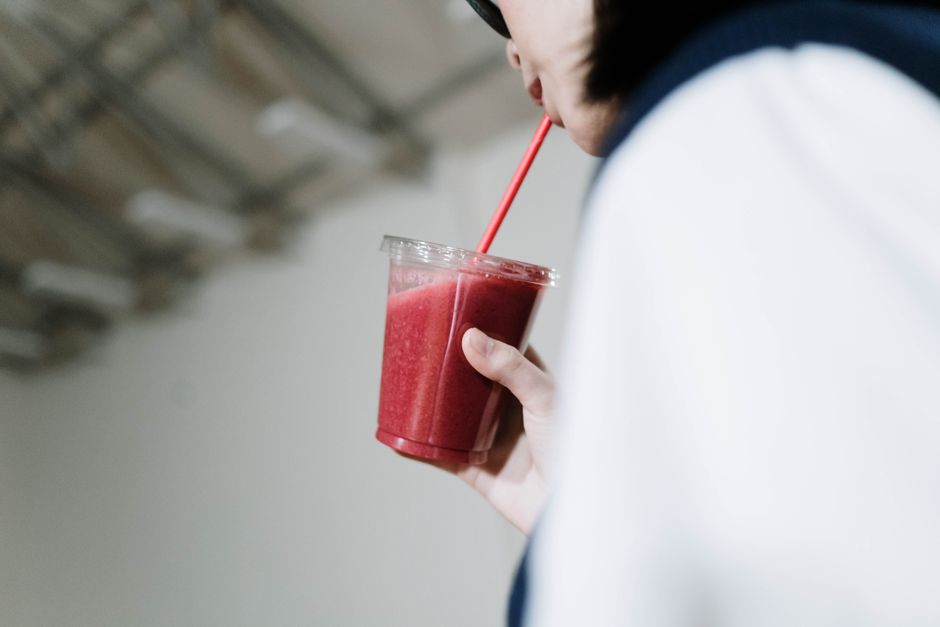
Healthy drinks low calorie include plain water, unsweetened tea, sparkling water, and some flavored waters; water and unsweetened tea have 0 calories per 12-ounce serving in the CDC comparison. For soda cravings, add citrus or a splash of 100% juice to sparkling water, or consider a low- or no-calorie drink as a replacement while reducing sugary soda. Check the label for the whole amount you will drink.
What is the healthiest low-calorie drink?
Plain water is the clearest everyday low-calorie choice; unsweetened tea and other unsweetened drinks can add flavor without the calories of sweetened beverages. “Healthiest” depends on what a drink provides and what it replaces: the CDC notes plain water has no calories, and replacing sugary drinks with water can reduce caloric intake.
Tea, plain coffee, sparkling water, seltzers, and flavored waters also appear among the CDC’s low- or no-calorie choices. Milk, unsweetened fortified milk alternatives, and limited amounts of 100% juice can provide nutrients, but they still contribute calories and need to fit within a person’s calorie needs. A drink’s ingredient list and overall nutritional role matter alongside its calorie count.
For an at-home flavored option, the CDC suggests adding citrus or other fruit to water, or adding a splash of 100% juice to sparkling water. These choices make flavor the variable, rather than relying on a full serving of a sweetened drink. For hydration questions, see How Much Water Should I Drink Each Day Based on My Body Weight?
What drink is the lowest in calories?
Plain water and unsweetened tea tie for the lowest listed amount: 0 calories per 12-ounce serving in the CDC’s Rethink Your Drink comparison. The table below puts common drinks on the same serving basis, making the calorie gap easier to assess.
The figures are for typical 12-ounce servings, not necessarily the full package sold in a store. In the CDC comparison, regular soda has 155 calories and a regular orange soda has 195 calories per 12 ounces. A container larger than that serving can contain more, and a label may list multiple servings per package.
| Drink | Calories per 12-ounce serving |
|---|---|
| Plain water | 0 |
| Unsweetened tea | 0 |
| Prepared lemonade | 55 |
| Sports drink | 97 |
| Sweet tea | 115 |
| Regular soda | 155 |
| Energy drink | 162 |
| Fruit juice drink | 186 |
| Regular orange soda | 195 |
These are comparisons, not a complete ranking of every brand or recipe. Prepared drinks vary, and a homemade drink’s calories depend on what goes into it. When comparing options, first match the serving size; then compare calories and sugars for the amount you actually plan to drink.
“Zero calorie” and “low calorie” are regulated claims, not general impressions. Under 21 CFR 101.60, a “calorie free” or “zero calories” claim means fewer than 5 calories per reference amount and per labeled serving; “low calorie” generally means no more than 40 calories per reference amount customarily consumed. The Nutrition Facts panel remains useful because claim thresholds do not replace checking the amount in the bottle.
What should I drink if I crave soda?
If you crave soda, start with sparkling water and citrus; if that does not meet the craving, move toward a closer substitute and use it in place of sugary soda. The CDC recommends a splash of 100% juice in sparkling water for a fizzy, lower-calorie option. This approach preserves carbonation while changing the sweetness and calorie profile.
- Start with fizz and citrus: sparkling water with lemon, lime, or another fruit adds flavor without a full sweetened drink.
- Add a splash of juice: the CDC suggests a splash of 100% juice in sparkling water. It adds flavor, so the amount matters.
- Choose a flavored or unsweetened drink: seltzers, flavored waters, and unsweetened tea offer alternatives when plain water is not appealing.
- Use a diet drink as a temporary replacement if useful: for adults reducing sugary soda, a low- or no-calorie sweetened drink can serve as a substitute rather than an additional beverage.
The distinction between substitution and addition is central. A 2022 systematic review and meta-analysis in JAMA Network Open included 17 randomized clinical trials involving 1,733 adults, mostly adults with overweight or obesity who were at risk for or had diabetes. When low- or no-calorie sweetened beverages replaced sugar-sweetened beverages, the analysis found an average body-weight difference of −1.06 kg compared with continued sugary-beverage consumption; the authors describe these drinks as a possible moderate-term substitute.
That evidence concerns replacement, not adding diet drinks while continuing the same sugary drinks. It does not establish that every individual will experience the same result. The practical comparison is what drink is being displaced and how much of each beverage is consumed.
For a broader morning beverage comparison, see What Can I Drink for Morning Energy If I Cannot Tolerate Coffee?
What are the top 3 healthiest drinks?
For a simple low-calorie shortlist, the top three are plain water, unsweetened tea, and sparkling water or seltzer. The first two have 0 calories per 12-ounce serving in the CDC comparison; sparkling water and seltzers are also among the CDC’s low- or no-calorie choices.
Water is a straightforward default when the goal is a drink with no calories. Unsweetened tea adds a distinct flavor without the calories shown for sweet tea, which has 115 per 12-ounce serving in the CDC comparison. Sparkling water or seltzer can address a preference for carbonation without defaulting to regular soda.
Cost is a separate decision from nutrition. The provided sources do not give prices for bottled drinks, tea, water, juice, or soda, so a numeric cost-per-serving comparison cannot be verified here. To compare costs at home, divide the total price of the ingredients or package by the servings it provides, using the same serving size for each drink. Homemade water with fruit or tea may use ingredients already on hand, while ready-to-buy options can differ by brand, package size, and price.
Low-calorie sweeteners are another label distinction. A “zero calorie” claim indicates a regulatory calorie threshold, but by itself it does not explain the drink’s full ingredient profile or whether it replaces a sugary beverage. Check the ingredients and Nutrition Facts panel, and treat the calorie number as one part of the comparison rather than a complete measure of a drink’s nutritional value.
Frequently Asked Questions
Which low-calorie drinks have no added sugar?
Plain water, unsweetened tea, sparkling water, seltzer, and many flavored waters can be low- or no-calorie choices without added sugar. Check the ingredient list and Nutrition Facts panel, since flavored or prepared versions can differ.
How can I tell whether a bottled drink is really low in calories?
Check both the calorie claim and the Nutrition Facts panel, then compare the serving size with the amount in the bottle. Under FDA-regulated definitions, “low calorie” generally means no more than 40 calories per reference amount customarily consumed; that does not tell you the total calories in a larger bottle.
Does switching from sugary soda to a diet drink help reduce calories?
It can reduce calories when the low- or no-calorie drink replaces sugary soda rather than being added to what you already drink. A 2022 systematic review and meta-analysis in JAMA Network Open found an average body-weight difference of −1.06 kg compared with continued sugary-beverage consumption in the included trials.
Sources
- Centers for Disease Control and Prevention, Rethink Your Drink
- Electronic Code of Federal Regulations, 21 CFR 101.60
- Centers for Disease Control and Prevention, About Water and Healthier Drinks
- JAMA Network Open, Association of Low- and No-Calorie Sweetened Beverages as a Replacement for Sugar-Sweetened Beverages With Body Weight and Cardiometabolic Risk
Disclaimer: This article is for general information only and is not medical advice. It is not a substitute for diagnosis or treatment by a qualified healthcare professional. Always speak to your doctor before acting on anything you read here.
What Can I Drink for Morning Energy If I Cannot Tolerate Coffee?
Evidence-based morning drink options for steady energy when coffee or energy drinks do not agree with you.
How Much Water Should I Drink Each Day Based on My Body Weight?
A practical way to set a daily hydration target using total fluids, thirst, urine patterns, heat, exercise, and warning signs.

Where Can I Find Free or Low-Cost Veterinary Care Near Me?
A ZIP-code action plan for finding affordable pet care, preparing aid applications, and handling emergencies without costly delays.
Are Vitamin D, Omega-3s, or Collagen Worth Trying for Joint Pain?
Evidence-based guidance on vitamin D, omega-3s, collagen, food choices, and supplement safety for osteoarthritis and joint aches.