
Why Is My Cat Suddenly So Clingy and Following Me Everywhere?
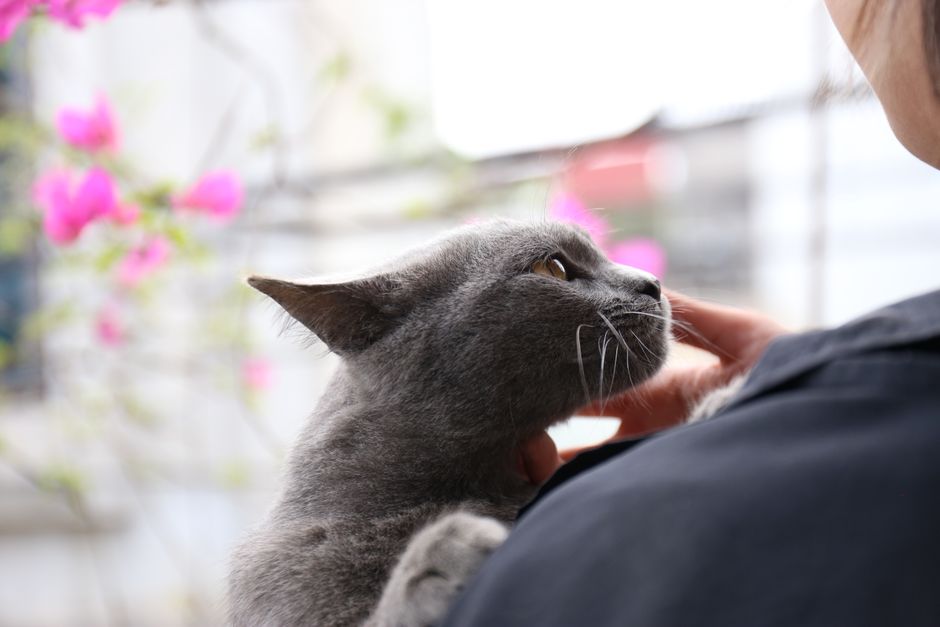
Sudden clinginess is often a response to routine, food, social bonding, boredom, or household stress, but it can also be a signal of pain or illness. Treat following behavior as normal when your cat is otherwise eating, moving, grooming, and using the litter box normally; contact a veterinarian when it appears alongside other meaningful changes.
Why is my cat suddenly following me from room to room?
Your cat may be following you because you are the most predictable part of its environment: the person associated with meals, play, access to rooms, and calm interaction. That is not a trivial role. The American Association of Feline Practitioners and International Society of Feline Medicine identify positive, predictable human interaction as one of five core needs in a healthy feline environment.
The useful distinction is not between a “needy” cat and an “independent” one. It is between a cat whose ordinary needs are being expressed clearly and a cat whose behavior has changed because its environment or body has changed. A cat that begins shadowing you after a move, the arrival of an unfamiliar cat, altered household routines, or competition around food and resting sites has a plausible stress-related explanation. Cats cope better with familiarity, routine, and control over their surroundings.
Build a simple test: make resources easier to access without competing for them. The feline environmental guidelines recommend separate, multiple sites for food, water, toileting, resting, scratching, and play. Add a safe hiding place, vertical space, scratching options, and an opportunity for play that resembles predatory behavior. Then keep meals and interaction predictable. If following eases while the rest of your cat’s behavior remains normal, the pattern was likely serving an ordinary need rather than announcing a medical crisis.
Do not turn this into an experiment in withdrawal. Cornell University College of Veterinary Medicine notes that a few minutes of calm, positive daily interaction, including grooming, petting, or play, can reduce stress for many cats. The point is not constant access to you; it is a home in which your cat can reliably find safety, activity, and attention without having to trail you to obtain them.
Is it normal for my cat to follow me into the bathroom?
Yes, following you into the bathroom can be normal when it is simply part of a cat’s curiosity, social routine, or desire to remain near a familiar person. A closed door also changes access to a space and a person at the same time, which makes it a remarkably efficient trigger for feline investigation.
Normal does not mean meaningless. Consider what happens immediately before and after the bathroom visit. If the cat follows, looks around, receives no special response, and leaves or settles nearby, the behavior fits curiosity or companionship. If it is concentrated around a feeding routine, it may be food anticipation. If it appears after a disruption in the home and comes with hiding, flattened ears, growling, hissing, swatting, or reduced appetite, Cornell identifies those as stress indicators.
| Pattern to observe | What it can indicate | Practical response |
|---|---|---|
| Following around usual meal times | Food anticipation or routine | Keep feeding times predictable and check that access to food is not being disrupted. |
| Following, then settling after play or calm contact | Social contact or under-stimulation | Offer brief, regular play and cat-controlled interaction. |
| Following after a move, new animal, or resource conflict | Stress and a search for predictability | Provide separated resources, safe spaces, and familiar routines. |
| Following with appetite, mobility, grooming, or litter-box changes | Possible pain or illness | Contact a veterinarian rather than treating it as a behavior problem. |
The table is a decision aid, not a diagnosis. Context narrows the explanation; it does not rule out illness. That limitation matters because cats often conceal discomfort, and the behavior that attracts attention can be affectionate rather than obviously distressed.
Can a cat becoming clingy mean that it is sick?
Yes. A newly clingy cat can be expressing discomfort, pain, or illness, particularly when the change appears with alterations in appetite, grooming, mobility, toileting, activity, hiding, or temperament.
The evidence is counterintuitive but direct. A 2025 observational study in the American Journal of Veterinary Research compared cats with inflammatory gastrointestinal or skin disease with healthy cats. Cats with inflammatory disease showed more care-soliciting behaviors, including greater sociability toward people, alongside more compulsive grooming and fear of novelty. The study’s conclusion is worth taking literally: chronic inflammatory response was associated with increased care-seeking and anxious behaviors.
That finding corrects a common mistake. Extra purring or affection is not sufficient evidence that a cat feels content. The American Veterinary Medical Association similarly reports that behavioral changes can indicate physical disease and describes unusual affection and increased purring in cats with chronic inflammatory disease. The data had a different story from the comforting interpretation.
Pain deserves the same discipline. An AVMA report on a consensus of 19 international feline-medicine experts found 25 behavioral signs sufficient to indicate pain, while emphasizing that no one sign is required. Look for a cluster: decreased appetite, reduced play, hiding, an absence of grooming, trouble jumping, reluctance to move, changed feeding behavior, straining to urinate, or a temperament shift. Baseline matters; a quiet cat becoming unusually social and a social cat becoming withdrawn are both changes worth recording.
The Feline Veterinary Medical Association is blunt on the practical implication: behavior changes are the primary indicator of pain in cats, and problematic changes warrant a call to the veterinarian. Its list includes decreased appetite, hiding, reduced mobility, difficulty jumping or walking, grooming or litter-box changes, squinting, sensitivity to touch, aggression, and substantial temperament changes.
Use a short observation record before the appointment: when the following began, whether it is tied to a room or time of day, recent household changes, and any differences in eating, movement, grooming, litter-box use, or social behavior. This does not replace an examination. It gives the veterinary team the pattern they need to interpret a behavior that, by itself, is ambiguous.
The practical rule is simple: enrich a stable, otherwise healthy cat; medically assess a cat whose new shadowing behavior arrives with other changes. Routine and reassurance solve an environmental problem. They do not solve pain.
Frequently Asked Questions
How can I tell whether my cat wants food, attention, or reassurance?
Start with context rather than guessing from the following alone. A cat who shadows you near a usual meal may be anticipating food, while one who settles after calm interaction or play may be seeking contact; recent changes in the home, hiding, or fear behavior point more toward reassurance. Keep feeding predictable and provide play, safe resting places, and cat-controlled interaction, then observe whether the pattern changes.
What behavior changes should make me call my veterinarian?
Contact a veterinarian for clinginess paired with decreased appetite, hiding, reduced activity, reduced mobility, trouble jumping or walking, grooming changes, litter-box changes, squinting, sensitivity to touch, aggression, or a substantial temperament change. The Feline Veterinary Medical Association advises contacting a veterinarian when a problematic behavior change is observed. If cost is an obstacle, review local options in Where Can I Find Free or Low-Cost Veterinary Care Near Me?.
Sources
- American Journal of Veterinary Research
- American Veterinary Medical Association: Consensus Behavioral Signs of Pain in Cats
- Feline Veterinary Medical Association: Pain Management
- American Association of Feline Practitioners and International Society of Feline Medicine: Environmental Needs Guidelines
- American Veterinary Medical Association: Understanding Feline Behavior
- Cornell University College of Veterinary Medicine